
Late talker or speech delay? When to stop waiting and get an evaluation
“He’ll talk when he’s ready” is sometimes true. Here’s how to tell a late bloomer from a child who needs support, and why waiting rarely helps.
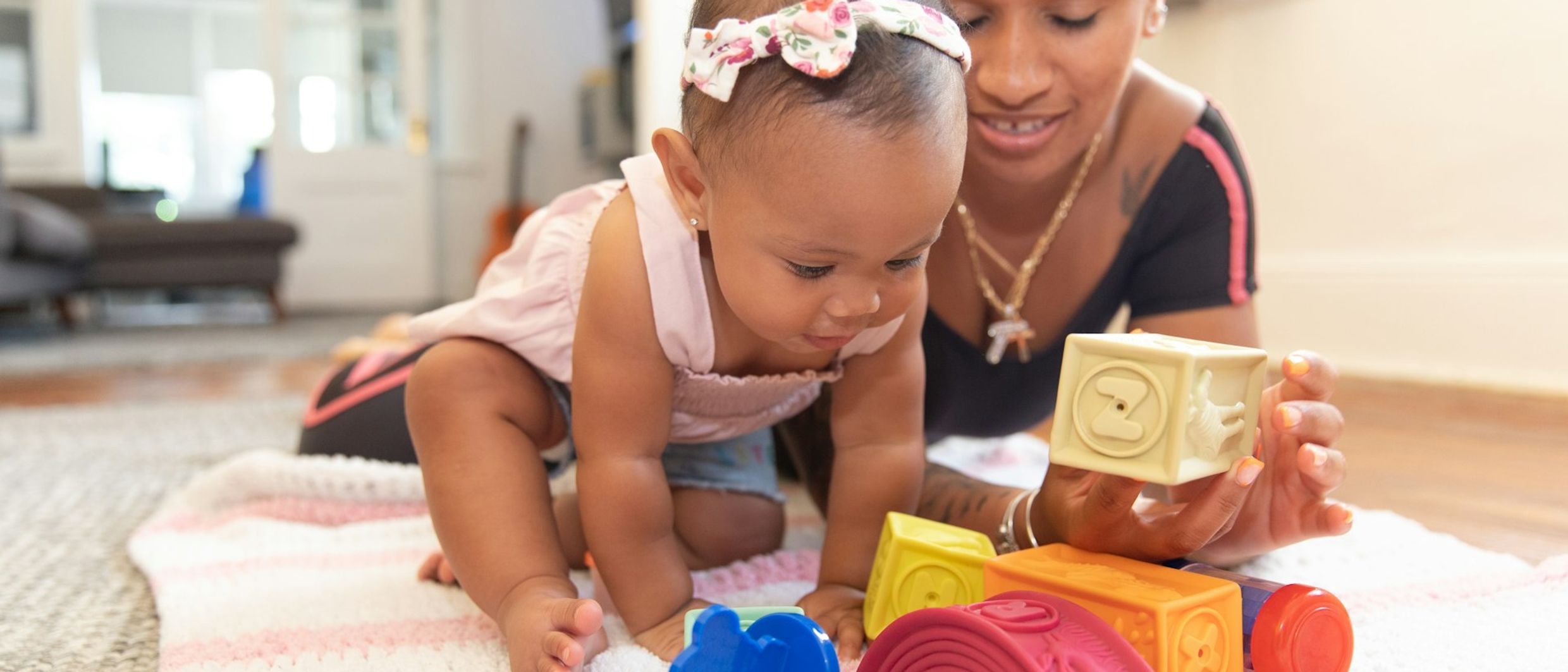
If your toddler isn’t talking much yet, you’ve probably heard some version of “Give it time.” A grandparent’s cousin didn’t say a word until three and now won’t stop. Boys are slower. Second children let their siblings do the talking.
Some of that advice is well meant, and some late talkers really do catch up on their own. The trouble is that nobody can tell which children will catch up just by waiting. What you can do is look at the whole picture, not just the word count.
What “late talker” actually means
Speech-language pathologists usually use “late talker” for a toddler, roughly 18 to 30 months old, who has fewer words than expected for their age but is on track in other ways. They understand what you say, play with toys in typical ways, and connect with you using eye contact, gestures, and sounds.
A rough benchmark: by 18 months, most toddlers use at least a handful of words. By 24 months, most use 50 or more and are starting to put two words together. A child well below that is worth a closer look, even if everything else seems fine.
Good signs a child may catch up
Late talkers who close the gap on their own often share a few things. These don’t guarantee anything, but they’re encouraging:
- They understand a lot. They follow directions, point to things you name, and clearly get more than they can say.
- They communicate without words. Pointing, waving, pulling you to what they want, shaking their head.
- They imitate. Animal sounds, silly noises, your actions during play.
- New words are showing up, even slowly. Steady progress matters more than the total.
Signs it’s time to stop waiting
These are the signs that make me encourage families to get an evaluation rather than wait another few months:
- Understanding is also behind. Your child has trouble following simple directions or pointing to familiar things when you name them.
- Few gestures. Not much pointing, waving, or showing you things by around 12 to 16 months.
- Very few sounds. Your child uses only a small range of consonants, or babbles very little.
- Lost skills. Any words, gestures, or social skills that were there and have faded. Don’t wait on this one.
- A history of ear infections or a family history of speech, language, or reading difficulties. Both raise the odds that a slow start needs support.
An evaluation isn’t a label. It’s information, and it’s much easier to act on at two than at four.
Why “wait and see” has a cost
The toddler years are when language grows fastest, and that’s also when support tends to work best. If your child turns out to be a late bloomer, an evaluation simply confirms it and gives you ideas to use at home. If they do need help, you’ve started months earlier than you would have otherwise.
Waiting also takes a toll that’s easy to miss. Toddlers who can’t get their message across often get frustrated, and those meltdowns are hard on the whole family. More words usually means fewer tears.
Where to start
If you’re not sure where your child falls, my guide to speech milestones from 1 to 5 is a good next read. In Pennsylvania, families of children under three can also request a free Early Intervention evaluation through their county.
And if you’d like a speech-language pathologist’s opinion first, book a free 15-minute call. Tell me your child’s age and what you’re noticing, and I’ll tell you honestly whether an evaluation makes sense.
Home Field Speech Therapy sees families in their homes across upper Bucks and Montgomery counties, and online.