What happens at a speech evaluation (and how to prepare your child)
A speech evaluation looks a lot more like play than a test. Here’s what actually happens, what you’ll be asked, and how to help your child feel at ease.

Deciding to book a speech evaluation can feel like a big step. A lot of parents tell me they put it off because they weren’t sure what would happen, or worried their child would be put on the spot and “fail.”
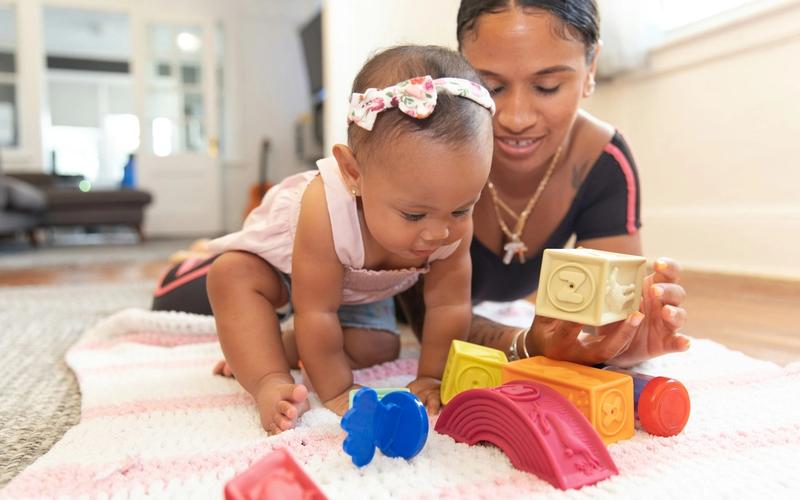
The reality is much gentler. For young children especially, most of an evaluation looks like playing. Here’s what to expect, step by step.
Before the visit
You’ll usually fill out an intake form about your child’s history: pregnancy and birth, health, hearing, milestones, and what you’re noticing now. It’s worth taking your time on this. Your observations are some of the most useful information a speech-language pathologist gets.
If you have reports from a pediatrician, audiologist, teacher, or another therapist, share those too.
What happens during the evaluation
Every child is different, but most evaluations include the same few parts:
- A conversation with you. We talk through your concerns, your child’s day, and what communication looks like at home. You know your child best, so this part matters.
- Play and observation. I watch how your child communicates naturally: how they ask for things, respond to their name, take turns, and use words, sounds, or gestures.
- Standardized testing. Depending on age, this might mean naming pictures, following directions, or pointing to answers in a picture book. For toddlers, parent questionnaires often do much of this work.
- A quick look at the mouth. I may check how your child moves their lips and tongue, often by making silly faces together.
What we’re looking at
“Speech” and “language” get used interchangeably, but an evaluation looks at several separate skills:
- Understanding (receptive language): following directions, answering questions, knowing words.
- Expressing (expressive language): vocabulary, putting words together, telling what happened.
- Speech sounds (articulation): how clearly your child says sounds, and whether any errors are typical for their age.
- Social communication: eye contact, turn-taking, and using language to connect with people.
There’s no way to fail an evaluation. The goal is to understand how your child communicates, not to grade them.
After the evaluation
You should leave with a clear answer to the question you came in with. That means a plain-language explanation of what I saw, whether your child’s skills are within the typical range for their age, and what I recommend.
Sometimes the answer is “Your child is right on track,” along with ideas to keep things moving at home. Sometimes it’s a recommendation for therapy, with specific goals and a sense of how often sessions would happen. Either way, you’ll get a written report you can share with your pediatrician or school.
Why evaluating at home helps
Many children talk less in unfamiliar places. Seeing your child at home, with their own toys and people, often gives a truer picture of what they can do. It also means no car seat, no waiting room, and no trying to keep a toddler calm in a strange office.
Ready to take the next step?
If you’re still deciding whether your child needs an evaluation at all, start with late talker or speech delay: when to stop waiting.
If you’d like to talk it through, book a free 15-minute call. I’ll answer your questions and tell you honestly whether an evaluation makes sense.
Home Field Speech Therapy sees families in their homes across upper Bucks and Montgomery counties, and online.